
Blog
IPTV vs Cable – Cost, Content and Convenience
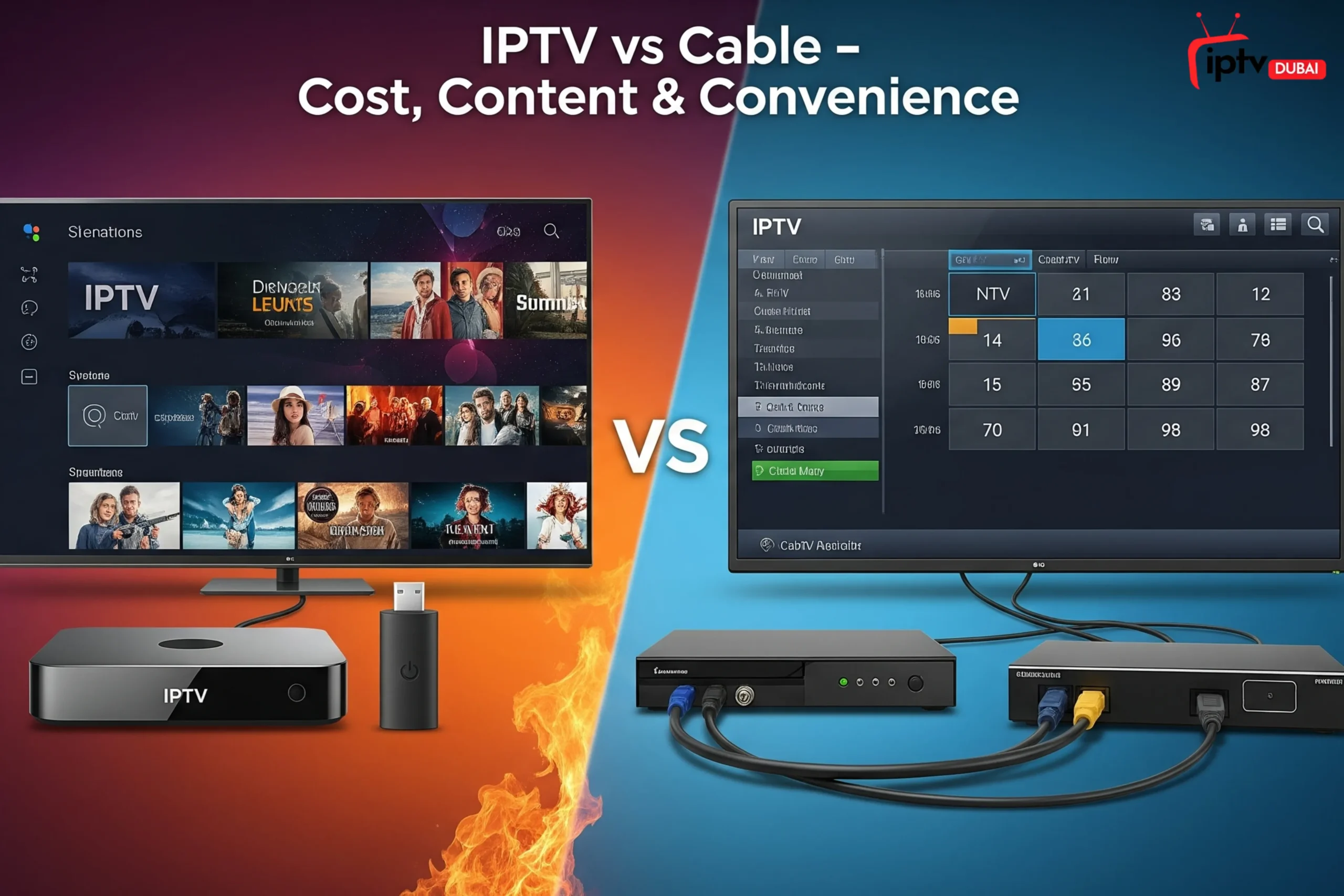
In today’s rapidly evolving entertainment landscape, consumers face a crucial decision between traditional cable TV and modern IPTV (Internet Protocol Television) services. With streaming platforms like Netflix and Amazon Prime revolutionising how we access content, understanding the differences between IPTV and cable becomes essential for making an informed choice. This comprehensive comparison examines cost savings, content variety, and convenience factors to help you determine which option best suits your viewing habits and lifestyle needs.
Understanding IPTV
The digital revolution has transformed how we consume television content, with IPTV emerging as a game-changing technology that leverages internet connectivity to deliver entertainment directly to our devices. This modern approach to television broadcasting represents a fundamental shift from traditional methods, offering viewers unprecedented control over their viewing experience while integrating seamlessly with popular streaming platforms and smart home ecosystems.
IPTV technology has gained significant traction among cord-cutters and tech-savvy consumers who demand flexibility, personalisation cost-effective entertainment solutions. The service appeals particularly to younger demographics and international audiences seeking diverse content options not typically available through conventional cable packages. Understanding IPTV’s capabilities, requirements, and limitations is crucial for making an informed decision about your entertainment needs.
What is IPTV?
IPTV (Internet Protocol Television) is a digital television broadcasting protocol that delivers television content through the internet rather than traditional terrestrial, satellite, or cable formats. Unlike conventional broadcasting methods, IPTV uses your internet connection to stream videos and live television directly to your devices, including smartphones, tablets, smart TVs, and computers.
This technology enables viewers to access streaming content on demand, providing unprecedented control over their viewing experience. IPTV services often integrate with popular streaming platforms, offering a unified entertainment solution that combines live TV with on-demand content libraries.
The technology encompasses three primary service categories: live television broadcasting, video-on-demand libraries, and time-shifted programming that allows viewers to catch up on missed shows. This versatility makes IPTV particularly attractive to modern consumers who expect entertainment to adapt to their schedules rather than the reverse.
How does IPTV work?
IPTV operates by converting television signals into digital data packets that travel through the internet. When you select a channel or video, the IPTV service provider sends the requested content through your internet connection to your device. This process requires a stable broadband connection to ensure smooth streaming quality.
The system uses three main delivery methods:
- Live Television: Real-time broadcasting of TV channels
- Video on Demand (VOD): Access to pre-recorded content libraries
- Time-shifted TV: Catch-up services allow viewers to watch previously aired programs
Your internet infrastructure plays a crucial role in IPTV performance, with higher bandwidth ensuring better streaming quality and reduced buffering. The technology utilises adaptive bitrate streaming, automatically adjusting video quality based on your current internet speed to maintain consistent playback.
Content delivery networks (CDNs) strategically distribute IPTV content across multiple servers worldwide, reducing latency and improving streaming performance by serving content from locations closest to viewers.
Advantages of IPTV
IPTV offers numerous benefits that appeal to modern viewers seeking flexibility and control:
Multi-device accessibility: Watch content on smartphones, tablets, laptops, and smart TVs, providing entertainment anywhere with internet access. This flexibility allows family members to enjoy different programs simultaneously across various devices.
On-demand convenience: Access vast libraries of movies, series, and documentaries at your preferred time, eliminating the need to follow traditional broadcasting schedules. Many services offer extensive back catalogues of popular shows and exclusive original content.
Cost savings: Many IPTV services offer competitive pricing compared to traditional cable packages, with customizable channel selections that prevent paying for unwanted content. Promotional offers and flexible subscription models provide additional savings opportunities.
Interactive features: Advanced functionalities like pause, rewind, and fast-forward for live TV, plus personalised recommendations based on viewing habits. Social features allow sharing favourite content and viewing recommendations with friends and family.
Integration capabilities: Seamless connection with streaming platforms like Netflix and Amazon Prime, creating a comprehensive entertainment hub that consolidates multiple services into a single interface.
Global content access: International programming and niche channels are often unavailable through traditional cable providers, appealing to diverse cultural preferences and specialised interests.
Understanding Cable TV
Cable television remains a cornerstone of American entertainment, serving millions of households with reliable, high-quality programming delivered through established infrastructure networks. Despite the rise of streaming services and IPTV alternatives, cable TV continues to evolve, incorporating new technologies and service enhancements to maintain its competitive position in the entertainment marketplace.
The cable industry has adapted to changing consumer preferences by introducing hybrid services that combine traditional broadcasting with streaming capabilities, mobile apps for remote viewing, and enhanced customer service platforms. Major cable providers invest billions annually in infrastructure improvements, content acquisition, and technological innovations to retain subscribers and attract new customers.
Cable TV’s enduring appeal stems from its reliability, comprehensive local programming, extensive sports coverage, and independence from internet connectivity issues. For many consumers, particularly in rural areas with limited broadband access, cable television provides the most dependable entertainment solution available.
What is Cable TV?
Cable television is a traditional broadcasting system that delivers television programming through coaxial cables or fibre-optic networks directly to subscribers’ homes. This established technology has been the primary method of television distribution for decades, offering reliable access to live channels, news, sports, and entertainment programming.
Cable TV operates independently of internet performance, providing consistent signal quality regardless of your broadband connection. Traditional cable services typically include local broadcast channels, premium networks, and specialised content packages tailored to different viewer preferences.
The infrastructure supporting cable television represents decades of investment in physical networks that reach virtually every populated area in the United States. This extensive coverage ensures consistent service availability and signal quality that remains unaffected by internet outages or bandwidth limitations.
Cable providers offer tiered service packages ranging from basic local channels to comprehensive premium packages including hundreds of channels, premium movie networks, and specialised programming categories.
How does Cable TV operate?
Cable TV systems transmit television signals through physical cable networks that connect directly to your home. The process involves:
- Signal reception: Cable providers receive programming from various sources, including broadcast networks, satellite feeds, and content producers
- Distribution: Signals travel through underground or overhead cable networks neighbourhood distribution points
- Home delivery: Coaxial cables carry the signal directly to your cable box or television
This infrastructure ensures reliable transmission without dependence on internet connectivity, making cable TV particularly suitable for areas with limited broadband access or unstable internet connections.
Modern cable systems utilise hybrid fibre-coaxial (HFC) networks that combine fibre-optic cables for long-distance transmission with coaxial cables for final delivery to homes. This technology provides increased bandwidth capacity and improved signal quality compared to older all-coaxial systems.
Digital cable systems compress multiple channels into available bandwidth while maintaining high picture and audio quality. Advanced set-top boxes decode these digital signals and provide interactive features like electronic program guides and video-on-demand services.
Advantages of Cable TV
Cable television offers several compelling benefits for traditional viewers:
Reliability: Consistent signal quality unaffected by internet outages or bandwidth limitations, ensuring uninterrupted viewing experiences. Weather conditions rarely impact cable service quality, unlike satellite alternatives.
Simplicity: Straightforward operation with familiar remote controls and channel surfing, requiring minimal technical knowledge. The user interface remains consistent and intuitive for viewers of all ages and technical comfort levels.
Local content: Comprehensive access to local news, weather, and community programming that may not be available through IPTV services. Local broadcast channels provide essential information during emergencies and community events.
Sports coverage: Extensive live sports programming with minimal delay, crucial for real-time viewing experiences. Regional sports networks and pay-per-view events offer comprehensive coverage of local and national sporting events.
Customer service: Established customer support systems with local technicians available for equipment maintenance and troubleshooting. Many providers offer 24/7 support and same-day service calls for technical issues.
Bundle opportunities: Package deals combining cable TV, internet, and phone services often provide cost savings compared to separate subscriptions from different providers.
Cost Comparison
Financial considerations play a pivotal role in choosing between IPTV and cable TV services, with both options presenting distinct cost structures that impact long-term affordability. The total cost of ownership extends beyond monthly subscription fees to include equipment expenses, installation charges, promotional pricing periods, and hidden fees that can significantly affect your entertainment budget.
IPTV services typically offer more transparent pricing with fewer hidden charges, while cable TV packages often include promotional rates that increase substantially after introductory periods. Understanding these cost dynamics helps consumers make informed decisions based on their budget constraints and viewing priorities.
The economic landscape of television services continues evolving as providers compete for market share through aggressive pricing strategies, bundle offers, and value-added services. Consumers benefit from this competition through improved service offerings and competitive pricing, though careful analysis remains essential to identify the best value proposition for individual needs.
Initial costs and setup fees
IPTV services typically require minimal upfront investment, with most providers offering simple activation processes that can be completed online. Setup costs usually include:
- Service activation fees (often waived during promotions)
- Compatible device purchases, if needed
- Basic router upgrades for optimal streaming
Many IPTV providers eliminate traditional installation requirements by offering self-setup options with detailed instructions and customer support. This approach reduces initial costs while providing immediate service activation.
Cable TV installation involves higher initial expenses:
- Professional installation fees range from $50-$200
- Equipment rental deposits for cable boxes and DVRs
- Potential wiring upgrades for older homes
- Activation and setup charges
Professional cable installation ensures proper signal quality and equipment configuration, but adds significant upfront costs. Some providers waive installation fees during promotional periods or for premium package subscribers.
Additional cable setup expenses may include outlet installations, wall mounting services, and custom wiring for multiple room configurations. These services provide convenience but increase initial investment requirements.
Monthly subscription fees
IPTV services generally offer more competitive monthly pricing with flexible package options:
- Basic packages starting from $20-$40 monthly
- Premium packages with extensive channel lineups for $50-$80
- Customizable add-ons for specific content preferences
- No long-term contract requirements with many providers
IPTV pricing structures often include transparent billing without hidden fees or surprise charges. Many services offer month-to-month subscriptions that provide flexibility to change or cancel services without penalties.
Cable TV subscriptions typically involve higher monthly costs:
- Basic cable packages range from $50-$100 monthly
- Premium packages with sports and movie channels exceeding $150
- Additional fees for HD channels, DVR services, and premium networks
- Long-term contracts are often required for promotional pricing
Cable pricing frequently includes promotional rates that increase significantly after 12-24 months, potentially doubling monthly costs. Broadcast TV fees, regional sports fees, and equipment rental charges add substantial costs beyond advertised package prices.
Equipment and maintenance costs
IPTV equipment expenses remain minimal:
- Use existing smart TVs, smartphones, or streaming devices
- Optional dedicated IPTV boxes for enhanced features
- No ongoing equipment rental fees
- Software updates are handled automatically
Most IPTV services work with devices consumers already own, eliminating additional equipment purchases. When specialised hardware is required, providers often offer affordable one-time purchase options rather than monthly rental fees.
Cable TV equipment costs accumulate over time:
- Monthly rental fees for cable boxes ($10-$20 per device)
- DVR service charges ($15-$25 monthly)
- Remote control and equipment replacement fees
- Professional maintenance and repair costs
Cable equipment rental fees can add $50-$100 monthly for households with multiple televisions. These ongoing costs significantly impact long-term affordability, often exceeding the price of purchasing equivalent streaming devices.
Equipment insurance and protection plans add additional monthly charges, while replacement costs for damaged or lost equipment can result in substantial one-time expenses.
Content Availability
Content diversity and accessibility represent crucial factors in choosing between IPTV and cable TV services, with each platform offering distinct advantages in programming variety, exclusive content, and specialised channels. The modern entertainment landscape demands access to both live programming and on-demand libraries, international content, and niche programming that caters to specific interests and demographics.
Content licensing agreements, regional restrictions, and provider partnerships significantly influence channel availability and programming options across different services. Understanding these factors helps consumers evaluate which platform best serves their entertainment preferences and cultural needs.
The competition for exclusive content has intensified as providers invest heavily in original programming, sports broadcasting rights, and premium movie channels to differentiate their offerings. This content arms race benefits consumers through increased programming variety but also creates fragmentation that may require multiple subscriptions to access desired content.
Variety and channel selection on IPTV
IPTV services excel in providing diverse content options that cater to global audiences and niche interests. The variety includes:
International programming: Access to channels from multiple countries and languages, appealing to diverse cultural preferences and immigrant communities. Many IPTV providers offer extensive international packages with hundreds of channels from Europe, Asia, Africa, and Latin America.
Specialised content: Niche channels covering specific hobbies, educational topics, and professional interests are often unavailable through traditional cable packages. These include cooking channels, fitness programming, religious content, and specialised documentary networks.
Integration with streaming platforms: Seamless access to Netflix, Amazon Prime, and other popular services within a single interface, eliminating the need to switch between multiple applications. This integration creates a unified entertainment experience that combines live TV with streaming libraries.
On-demand libraries: Extensive collections of movies, documentaries, and series available for immediate viewing, with new content added regularly. Many IPTV services offer larger on-demand catalogues than traditional cable providers.
Customizable packages: Ability to select specific channel categories or individual channels, ensuring you only pay for desired content. This à la carte approach appeals to consumers seeking targeted programming without paying for unwanted channels.
Adult and premium content: Flexible access to premium programming with parental controls and restricted access features that provide household content management.
Variety and channel selection on Cable
Cable TV provides comprehensive channel lineups with established programming:
Local broadcast networks: Complete access to local news, weather, and community programming is essential for staying connected with regional events. Local channels provide emergency information, community events, and regional sports coverage unavailable through national streaming services.
Premium sports coverage: Extensive live sports programming, including regional sports networks, ESPN packages, and pay-per-view events with minimal streaming delays. Cable providers often secure exclusive broadcasting rights for local teams and regional sporting events.
Established networks: Full access to major cable networks like CNN, Discovery, HBO, and Showtime with their complete programming schedules. These networks offer comprehensive news coverage, documentary programming, and premium entertainment content.
Reliable live programming: Consistent access to breaking news, live events, and scheduled programming without buffering or internet-related interruptions. This reliability proves crucial during major news events, natural disasters, and live sporting events.
Premium movie channels: First-run movies, original series, and exclusive content from networks like HBO, Starz, and Showtime. These premium channels often provide content months before it becomes available on streaming platforms.
Educational and children’s programming: Comprehensive educational content, children’s programming, and family-friendly channels with appropriate content filtering and parental controls.
Exclusive content and packages
Both IPTV and cable services offer exclusive content to attract and retain subscribers:
IPTV exclusives:
- Original programming from streaming platforms integrated into IPTV services
- International content not available through traditional channels, including live programming from global broadcasters
- Specialised sports packages for specific leagues or regions, often at lower costs than cable alternatives
- Early access to movies and series through partnerships with content producers
- Exclusive documentary channels and educational programming
- Interactive content and gaming channels that leverage internet connectivity
Cable exclusives:
- Premium movie channels with first-run films and exclusive series
- Exclusive sports networks and regional coverage, including local team broadcasting rights
- Cable-only series and documentaries from established networks
- Special event programming and awards shows with live coverage
- Premium news channels with comprehensive global coverage
- Music channels and concert programming with high-quality audio
Shared content considerations:
Many popular channels and programs are available through both IPTV and cable services, though availability may vary by provider and region. Content licensing agreements can change, affecting channel availability and programming options over time.
Convenience and User Experience
User experience and convenience factors significantly influence satisfaction with television services, encompassing everything from interface design and navigation to multi-device accessibility and personalisation features. Modern consumers expect entertainment services to adapt to their lifestyles, providing seamless access across devices and intelligent features that enhance the viewing experience.
The convenience factor extends beyond basic functionality to include customer service accessibility, billing transparency, service reliability, and the ability to customise viewing experiences according to individual preferences. These elements collectively determine long-term satisfaction and loyalty to television service providers.
Technology integration plays an increasingly important role in convenience, with smart home compatibility, voice control, and mobile app functionality becoming standard expectations rather than premium features. Understanding how different services address these convenience factors helps consumers choose platforms that align with their lifestyle and technical preferences.
Flexibility and on-demand options with IPTV
IPTV revolutionises the viewing experience through unprecedented flexibility and user control:
Time-shifting capabilities: Watch programs on your schedule with extensive catch-up services, pause and resume functionality across devices, and the ability to start shows from the beginning even after they’ve started broadcasting. This flexibility eliminates the frustration of missing favourite programs due to scheduling conflicts.
Multi-device synchronisation: Begin watching on your smartphone during commute and seamlessly continue on your smart TV at home, with viewing progress automatically saved across all devices. This continuity enhances the viewing experience by accommodating modern mobile lifestyles.
Personalised recommendations: Advanced algorithms analyse your viewing habits to suggest relevant content, helping you discover new shows and movies aligned with your preferences. Machine learning capabilities improve recommendations over time, creating increasingly personalised entertainment experiences.
Interactive features: Enhanced program guides with detailed descriptions, ratings, and reviews, plus social media integration for sharing recommendations with friends and family. Interactive elements include clickable information panels, cast details, and related content suggestions.
Customizable interfaces: Personalised channel lineups, favourite lists, and custom categories that organise content according to individual preferences. Users can create personalised viewing environments that prioritise frequently accessed content.
Cloud-based profiles: Individual user profiles for family members with separate viewing histories, recommendations, and parental controls. This personalisation ensures appropriate content access while maintaining individual viewing preferences.
Advanced search functionality: Comprehensive search capabilities across live TV, on-demand content, and integrated streaming services, making content discovery efficient and intuitive.
Reliability and simplicity of Cable TV
Cable television maintains its appeal through straightforward operation and dependable performance:
Consistent performance: Unaffected by internet outages, bandwidth limitations, or network congestion, ensuring reliable access to programming during peak usage times. This reliability proves particularly valuable during major events when internet traffic peaks.
Familiar interface: Traditional channel surfing and remote control operation require a minimal learning curve, making it accessible for all age groups and technical comfort levels. The consistent user experience reduces frustration and technical support requirements.
Immediate access: Instant channel changes without buffering delays, providing seamless transitions between programs and channels. This responsiveness enhances the traditional television viewing experience that many consumers prefer.
Emergency broadcasting: Reliable access to emergency alerts, weather warnings, and breaking news coverage when internet services may be compromised. Cable TV’s independence from internet connectivity ensures continued access to critical information during emergencies.
Simplified billing: Consolidated billing for bundled services with predictable monthly costs and established customer service procedures. Traditional billing methods appeal to consumers who prefer conventional payment and service management approaches.
Professional installation and support: Expert installation ensures optimal signal quality and equipment configuration, while local technicians provide reliable maintenance and troubleshooting services.
Universal compatibility: Works with any television without requiring smart TV features or additional streaming devices, making it accessible for households with older equipment.
Multi-device accessibility with IPTV
IPTV’s multi-device capability transforms how families consume entertainment:
Simultaneous streaming: Multiple family members can watch different content on various devices simultaneously, eliminating conflicts over television control. Advanced IPTV services support 4-6 concurrent streams, accommodating large households.
Mobile convenience: Access your complete channel lineup and on-demand library while travellingg, commuting, or away from home using smartphones and tablets. Mobile apps provide full functionality with optimised interfaces for smaller screens.
Smart home integration: Compatibility with voice assistants and smart home systems for hands-free control and automated viewing experiences. Integration with Amazon Alexa, Google Assistant, and Apple HomeKit enables voice commands for channel changes and content search.
Cloud-based features: Personal recordings and favourites lists accessible from any device, with unlimited storage capacity for saved content. Cloud DVR functionality eliminates storage limitations while providing access from any location.
Cross-platform compatibility: Support for iOS, Android, Windows, macOS, and various smart TV platforms ensures compatibility with existing devices and future technology upgrades.
Parental controls across devices: Comprehensive content filtering and access restrictions that apply consistently across all devices and viewing locations, providing parents with complete control over children’s viewing experiences.
Offline viewing capabilities: Some IPTV services offer download functionality for mobile devices, enabling content viewing without internet connectivity during travel or in areas with poor network coverage.
Internet Dependency
Internet connectivity requirements represent a fundamental consideration when choosing between IPTV and cable TV services, as this dependency directly impacts service reliability, performance quality, and overall user satisfaction. The relationship between internet infrastructure and IPTV performance creates both opportunities and challenges that consumers must carefully evaluate based on their local connectivity options and usage patterns.
Understanding bandwidth requirements, data consumption patterns, and network stability factors helps consumers make informed decisions about whether their current internet infrastructure can adequately support IPTV services. This evaluation becomes particularly crucial for households with multiple internet users, limited data allowances, or inconsistent connectivity issues.
The digital divide between urban and rural areas significantly affects IPTV viability, with some regions lacking the robust internet infrastructure necessary for optimal streaming experiences. These geographic considerations influence service availability and performance expectations across different markets.
Impact of internet quality on IPTV
IPTV performance directly correlates with internet infrastructure quality and consistency:
Bandwidth requirements: Standard definition streaming requires a minimum of 5 Mbps, HD content needs 10-15 Mbps, and 4K streaming demands 25+ Mbps for optimal quality. Multiple simultaneous streams multiply these requirements, potentially requiring 100+ Mbps for large households.
Network stability: Inconsistent internet connections cause buffering, pixelation, and service interruptions that significantly impact the viewing experience. Jitter, packet loss, and latency issues can degrade streaming quality even when bandwidth appears adequate.
Data consumption: Heavy streaming usage may exceed monthly data caps, resulting in additional charges or throttled speeds from internet service providers. A typical household streaming HD content regularly can consume 300-500 GB monthly.
Peak hour performance: Network congestion during evening hours can degrade streaming quality when internet traffic reaches maximum capacity. Internet service providers may prioritise certain traffic types, potentially affecting IPTV performance during busy periods.
Upload speed considerations: Interactive features, cloud DVR, and multi-device synchronisation require adequate upload speeds, typically 5-10 Mbps for optimal performance.
Latency sensitivity: Live sports and real-time programming require low-latency connections to minimise delays compared to traditional broadcasting methods.
Quality of Service (QoS) requirements: IPTV benefits from network prioritisation and traffic management features that ensure consistent streaming performance alongside other internet activities.
Cable TV’s independence from the Internet performance
Cable television operates independently of internet connectivity, providing several advantages:
Consistent quality: Signal strength and picture quality remain stable regardless of internet outages or bandwidth fluctuations affecting other household devices. This independence ensures reliable entertainment access during internet service disruptions.
No data limitations: Unlimited viewing without concerns about monthly data caps or overage charges from internet service providers. Heavy television viewing doesn’t impact internet usage allowances or result in additional fees.
Reliable emergency access: Continued access to news and emergency broadcasts during internet outages or natural disasters when connectivity may be compromised. This reliability proves crucial during severe weather events or infrastructure failures.
Predictable performance: Viewing quality remains consistent throughout the day, unaffected by neighbourhood internet usage patterns or peak hour congestion. Cable signal quality depends on physical infrastructure rather than shared network resources.
Dedicated bandwidth: Cable television signals use dedicated frequency bands separate from internet traffic, ensuring consistent performance regardless of household internet usage.
Weather independence: Unlike satellite services, cable TV maintains signal quality during most weather conditions, providing reliable access to programming year-round.
Infrastructure maturity: Decades of cable infrastructure development ensure comprehensive coverage and reliable service in the most populated areas.
Technological Advancements
The television industry continues evolving rapidly through technological innovations that enhance content quality, user interfaces, and service delivery methods. Both IPTV and cable TV providers invest heavily in emerging technologies to maintain competitive advantages and meet changing consumer expectations for advanced features and improved performance.
Technological advancement cycles in the entertainment industry accelerate as providers compete to offer cutting-edge features that differentiate their services. These innovations encompass everything from video quality improvements and artificial intelligence integration to enhanced user interfaces and smart home compatibility.
Understanding current and emerging technological trends helps consumers make forward-looking decisions that account for future service capabilities and compatibility with evolving entertainment ecosystems. The pace of technological change requires consideration of upgrade paths and long-term service evolution when choosing television providers.
Streaming quality and innovations in IPTV
IPTV technology continues evolving with cutting-edge innovations that enhance user experience:
4K and HDR support: Ultra-high-definition content with enhanced colour depth and contrast, providing cinema-quality viewing experiences at home. Advanced IPTV services now offer 8K content preparation and HDR10+ support for premium viewing experiences.
Artificial intelligence integration: Smart content curation, automated recording suggestions, and predictive streaming that preloads likely-to-watch content. AI-powered recommendation engines analyse viewing patterns, time preferences, and content ratings to suggest personalised programming.
Cloud DVR capabilities: Unlimited recording storage with extended retention periods, accessible from any device without physical storage limitations. Advanced cloud DVR systems offer intelligent recording that automatically captures series episodes and suggests related content.
Interactive advertising: Targeted promotions based on viewing habits and demographics, with clickable ads that provide additional product information. Interactive advertising creates revenue opportunities that can reduce subscription costs while providing relevant promotional content.
Advanced compression technologies: HEVC (H.265) and AV1 codecs reduce bandwidth requirements while maintaining high video quality, enabling 4K streaming over lower-speed internet connections.
Adaptive bitrate streaming: Dynamic quality adjustment based on real-time network conditions ensures consistent playback without buffering interruptions.
Virtual and augmented reality integration: Emerging VR/AR capabilities for immersive sports viewing, concerts, and specialised programming that leverages internet connectivity for enhanced experiences.
Blockchain-based content protection: Advanced digital rights management and content security systems that protect premium programming while enabling flexible viewing options.
Developments in Cable TV offerings
Traditional cable providers adapt to competitive pressures through technological improvements:
Hybrid services: Integration of streaming capabilities with traditional cable packages, offering apps for mobile viewing and on-demand content libraries. These hybrid approaches combine cable reliability with streaming flexibility.
Enhanced DVR systems: Increased storage capacity, multiple simultaneous recordings, and remote scheduling through smartphone applications. Modern cable DVR systems offer 1TB+ storage with cloud backup capabilities.
Improved customer service: Online account management, chat support, and mobile apps for bill payment and service modifications. Digital customer service platforms reduce wait times and provide 24/7 support access.
Fibre optic upgrades: Enhanced signal quality and faster channel changing through improved infrastructure investments. Fibre-to-the-home deployments enable gigabit internet speeds and improved cable TV performance.
Voice control integration: Compatibility with popular voice assistants for hands-free channel changing and content search functionality.
Advanced set-top boxes: Next-generation cable boxes with streaming app integration, 4K support, and enhanced user interfaces that compete with streaming device capabilities.
Network optimisation: Advanced signal processing and error correction technologies that improve picture quality and reduce service interruptions.
Personalisation features: Customizable channel guides, viewing recommendations, and family-friendly content filtering that adapts to household preferences.
Evaluating Personal Needs
Personal needs assessment represents the most critical step in choosing between IPTV and cable TV services, as individual circumstances, preferences, and requirements vary significantly among households. This evaluation process should encompass viewing habits, technical capabilities, budget constraints, and long-term entertainment goals to ensure optimal service selection.
The decision-making process benefits from honest assessment of current viewing patterns, future needs, and household dynamics that influence television usage. Factors such as family size, age demographics, technical comfort levels, and entertainment priorities all impact service satisfaction and long-term value.
Geographic location, available infrastructure, and local service provider options also influence the evaluation process, as service availability and performance can vary significantly between urban and rural areas. Understanding these local factors helps set realistic expectations and identify the most viable service options.
Assessing your viewing habits
Understanding your entertainment preferences helps determine the optimal television service:
Content preferences: Consider whether you prioritise live sports, international programming, local news, or on-demand entertainment when comparing service offerings. Sports enthusiasts may prefer cable TV for comprehensive live coverage, while international viewers might benefit from IPTV’s diverse channel selection.
Viewing schedule: Evaluate if you watch programs at scheduled times or prefer flexible, on-demand access that accommodates busy lifestyles. Traditional viewers who enjoy channel surfing and scheduled programming may prefer cable TV’s familiar format.
Device usage: Determine if you primarily watch on traditional televisions or frequently use smartphones, tablets, and laptops for entertainment. Mobile-heavy viewing patterns favour IPTV’s multi-device accessibility and portability.
Family requirements: Consider multiple simultaneous viewing needs, parental controls, and content appropriate for different age groups within your household. Large families may benefit from IPTV’s multiple stream capabilities and individual user profiles.
Recording and time-shifting needs: Assess how frequently you record programs, watch catch-up content, or require pause/rewind functionality for live programming.
Social viewing preferences: Consider whether you enjoy watching programs with family members on shared screens or prefer individual viewing experiences on personal devices.
Content discovery methods: Evaluate whether you prefer traditional channel browsing or rely on recommendations and search functionality to find entertainment.
Considering your internet infrastructure
Your internet connection significantly impacts IPTV viability:
Speed testing: Measure actual internet speeds during peak usage hours to ensure consistent performance for streaming requirements. Test speeds at different times throughout the day to identify potential congestion issues.
Data allowances: Review monthly data caps and potential overage charges that could make IPTV more expensive than anticipated. Calculate projected monthly usage based on viewing habits and household internet consumption.
Reliability assessment: Consider internet outage frequency and duration in your area, as these directly affect IPTV service availability. Contact neighbours and local users to understand typical connectivity experiences.
Future upgrades: Evaluate potential internet infrastructure improvements in your area that might enhance IPTV performance over time. Research planned fibre optic deployments or broadband expansion projects.
Network equipment quality: Assess your home networking equipment, including routers, modems, and Wi-Fi coverage, to ensure adequate performance for streaming requirements.
Household internet usage: Consider other internet activities like gaming, video conferencing, and file downloads that compete for bandwidth with IPTV streaming.
Technical support availability: Evaluate your comfort level with troubleshooting internet and streaming issues, as IPTV requires more technical knowledge than traditional cable TV.
Backup connectivity options: Consider whether you have alternative internet access methods during primary connection outages, such as mobile hotspots or secondary internet providers.
Conclusion
The choice between IPTV and cable TV ultimately depends on your specific needs, viewing habits, and technical infrastructure. IPTV offers superior flexibility, cost savings, and modern convenience features that appeal to tech-savvy consumers who prioritise on-demand access and multi-device compatibility. The ability to watch content on smartphones, tablets, and computers, combined with integration with popular streaming platforms like Netflix and Amazon Prime, makes IPTV an attractive option for modern households seeking personalised entertainment experiences.
However, cable TV maintains significant advantages in reliability, simplicity, and independence from internet performance. For viewers who prioritise consistent access to live sports, local programming, and emergency broadcasts without concerns about internet connectivity, traditional cable remains a solid choice. The established infrastructure, professional customer service, and familiar user experience continue to appeal to consumers who value reliability over cutting-edge features.
Consider your internet infrastructure quality, monthly budget, content preferences, and viewing habits when making this decision. IPTV excels for households with reliable high-speed internet who value flexibility and cost savings, while cable TV suits those prioritising reliability and traditional viewing experiences. Many consumers find success with hybrid approaches, combining basic cable for essential channels with streaming services for additional content variety.
The television landscape will continue evolving as both IPTV and cable providers adapt to changing consumer preferences and technological advancements. Your choice today should account for future needs and the likelihood of service improvements or changes in your viewing habits over time.
FAQs
Q: Can I use IPTV without high-speed internet?
A: IPTV requires a stable internet connection with minimum speeds of 5 Mbps for standard definition and 15+ Mbps for HD content. Without adequate bandwidth, you’ll experience buffering and poor video quality.
Q: Is IPTV legal and safe to use?
A: Legitimate IPTV services from licensed providers are completely legal and safe. However, avoid unauthorised services that may offer pirated content, as these can pose legal and security risks.
Q: Can I watch local channels through IPTV?
A: Many IPTV services include local broadcast channels, though availability varies by provider and location. Some services may require additional packages for comprehensive local programming.
Q: What happens to my cable TV during power outages?
A: Cable TV requires electricity for your television and cable box, so service stops during power outages. However, the cable signal itself remains available once power is restored.
Q: Can I record shows with IPTV services?
A: Most IPTV providers offer cloud DVR functionality, allowing you to record and store programs remotely. This often provides more storage capacity than traditional cable DVR systems.
Q: How much internet data does IPTV streaming consume?
A: IPTV usage varies significantly based on viewing habits and quality settings. HD streaming typically consumes 3-7 GB per hour, while 4K content can use 15+ GB hourly.
Q: Can I bundle IPTV with internet services?
A: Many internet service providers offer IPTV packages bundled with broadband services, often providing cost savings compared to separate subscriptions.
Q: What equipment is required for IPTV?
A: IPTV works with smart TVs, streaming devices (Roku, Apple TV, Fire Stick), computers, smartphones, and tablets. Some providers offer dedicated IPTV boxes for enhanced features.
Q: How does the weather affect IPTV vs Cable TV service?
A: IPTV performance depends on internet connectivity, which can be affected by severe weather impacting internet infrastructure. Cable TV typically maintains signal quality during most weather conditions, though extreme weather can affect both services.
Q: Can I switch between IPTV and Cable TV easily?
A: Switching between services is generally straightforward, though cable TV may require professional installation/removal and equipment returns. IPTV services often offer more flexible cancellation policies without long-term contracts.
Related Posts

Adding Subtitles on IPTV Streams
-
Posted by
Joy Shah

Recording Live TV on IPTV – Is It Possible?
-
Posted by

The Best IPTV Subscription Services for the UK Channels
-
Posted by

Why Your IPTV Freezes – and How to Fix It
-
Posted by
Best Internet Packages for IPTV in UAE
-
Posted by
How VPN Affects IPTV Usage in UAE
-
Posted by
IPTV for Smart Homes in Dubai
-
Posted by
IPTV and UAE Internet Speeds – What You Need
-
Posted by
Buying Guide for Android TV Boxes in UAE
-
Posted by
How to Choose Between 5G Pro and MK Pro TV Boxes
-
Posted by
King IPTV Box vs Other Android TV Boxes
-
Posted by

MK Pro TV Box Dubai – Best Receiver for Speed and Quality Streaming
-
Posted by